
Usually cosmetic
Thin cracks you cannot fit a coin into, that stay the same width, sit flat on both sides and show up with no sticking doors or brick cracks. Most slabs have a few.
A crack in the slab, a door that stopped latching or a stair-step crack in the brick can point to a slab that has moved. Describe what you see once, and independent foundation repair companies serving Tyler, Smith County and nearby East Texas towns can reply with free, no-obligation quotes. Tyler TX Foundation Experts is a quote service, not a contractor.
Get a Free Quote Call (323) 880-1300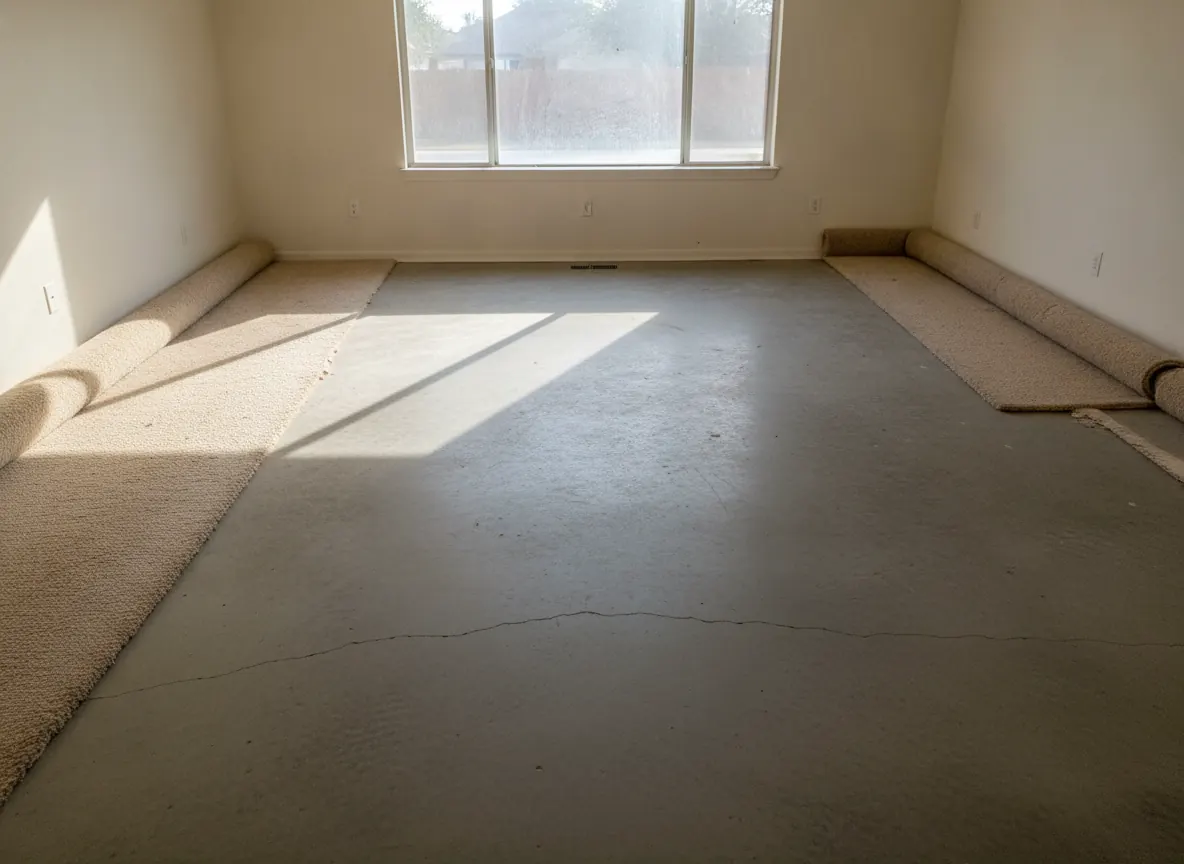
Walk the house and note anything on this list:
A crack that keeps growing, or several signs together, is the reason to ask for quotes. See foundation crack repair for how to tell crack types apart.
Thin cracks you cannot fit a coin into, that stay the same width, sit flat on both sides and show up with no sticking doors or brick cracks. Most slabs have a few.
Cracks that widen over months, edges that sit higher on one side, cracks that line up with stair-step cracks outside, or floors that feel sloped.
Mark each end of a crack in pencil and photograph it monthly. Floor elevation readings from the companies that visit show the shape of the whole slab, which says more than one crack.
Floor readings across the house, plus cracks, doors and drainage. A free evaluation is also a sales visit.
Many companies recommend a leak test first, since a leaking drain line under the slab can be the cause.
Pier type, count, locations and spacing, the lift goal and drainage work.
Crews dig beside the perimeter beam, or through the floor, and drive piers until they meet resistance.
Jacks raise the beam slowly, then it is set on the piers with caps and shims.
Final readings, a second plumbing test where recommended, pier records and warranty terms.
Many homes in Tyler and Longview sit on a concrete slab poured on the ground, especially houses built from the 1970s on. A slab rides on the soil under it, so when that soil dries, swells or washes out, the slab can follow.
About half of Tyler's homes were built before 1980 (Census ACS 2020–2024). During dry spells, steady soaker-hose watering near the slab can help keep soil moisture even; follow Tyler Water Utilities' current watering rules. More in why East Texas foundations move and the drought watering checklist.
| Item | Typical range | Source |
|---|---|---|
| Slab foundation repair | $1,000–$10,000 | Fixr, Jan 2026 |
| Piers (underpinning), per pier | $1,000–$3,000 each | Fixr, Jan 2026 |
| Structural engineer report | $300–$2,000 | Fixr, Jan 2026 |
| Foundation inspection (engineer) | $300–$1,000 (avg ≈ $600) | This Old House, Oct 2026 |
Typical national ranges from published 2026 cost guides (Fixr, Jan 2026; This Old House, Oct 2026). Your price depends on an on-site evaluation.
The pier count drives most slab quotes. Interior piers, flooring repair, plumbing tests, an engineer's report, drainage work and the permit add to it. Quotes for pressed concrete piles vary by company, so ask for the price per pier in writing. The Tyler foundation repair cost guide has a calculator, and piers and pilings compares the pier types you may see.
Most slab movement is slow, so there is time to compare quotes. See foundation inspections.
Texas does not issue a state license for foundation repair companies, so check experience, insurance, written warranties and reviews yourself, and ask whether a licensed professional engineer (PE) designs or signs off on the repair.
An independent Texas-licensed professional engineer works for you, not the repair company. You can look up a PE's license with the Texas Board of Professional Engineers and Land Surveyors (pels.texas.gov).
Whether your repair needs a City of Tyler building permit or an engineer's plan depends on the work. Your contractor should check with Tyler Building Services (423 W. Ferguson St., 903-531-1151). In other towns, check with the city's building department. Outside city limits, Texas counties generally don't issue building permits for home repairs.
Texas law gives you until midnight of the third business day to cancel many contracts signed at your home after a sales visit (Tex. Bus. & Com. Code §601.051). Ask whether it applies to your contract and look for the cancellation form.
Not always. Many slabs carry thin shrinkage cracks from curing that never change. Pay closer attention when a crack keeps widening, when one side sits higher than the other, or when it shows up with sticking doors and stair-step cracks in the brick. Photograph it beside a tape measure, write the date on the photo and check again in a month or two.
Water lines and drain lines run under most slabs. A leaking drain line can soften or wash out the soil under one part of the house, and lifting a slab can stress pipes that are already weak. Many companies recommend a plumbing leak test before the lift and again after it so you know whether a leak caused the movement and whether the lift caused any damage.
Whether your repair needs a City of Tyler building permit or an engineer's plan depends on the work. Your contractor should check with Tyler Building Services (423 W. Ferguson St., 903-531-1151). In other towns, check with the city's building department. Outside city limits, Texas counties generally don't issue building permits for home repairs.
Usually not. Slabs are rarely poured perfectly flat, and lifting too far can crack drywall, tile or pipes. Ask what lift the company is aiming for and for elevation readings before and after.
Tell us where the cracks are, which doors stick, roughly how old the house is and whether you plan to sell soon. Tyler TX Foundation Experts passes your request to independent foundation repair companies serving Tyler and East Texas, and they reply to you directly. Companies may pay to receive requests. There is no cost to you and no obligation.
Independent East Texas foundation companies reply to you directly.
Describe it once and independent foundation companies serving Tyler, Smith County and East Texas can reply with no-obligation quotes.