
Texas Has No Foundation Repair License. Here Is How to Vet a Tyler Company
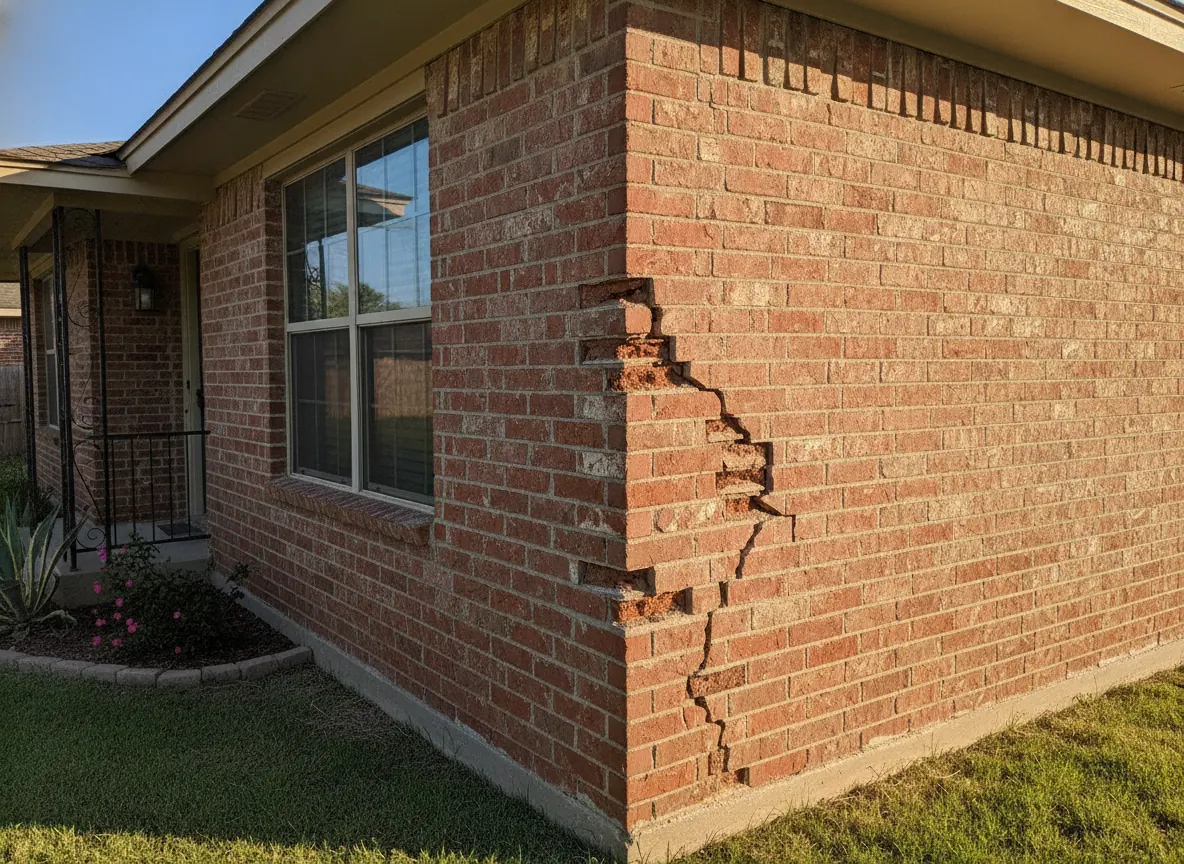
Many homeowners assume a foundation repair company has to hold a state license, the way an electrician does. In Texas it does not. That puts the job of checking a company on you. This guide explains what the state does and does not regulate, and gives a practical checklist for vetting a foundation company in Tyler, TX or anywhere in East Texas.
This article is general information, not legal advice. Laws and agency rules change; check the cited sources or ask an attorney about your situation.
What Texas regulates, and what it doesn't
Texas does not issue a state license for foundation repair companies, so check experience, insurance, written warranties and reviews yourself, and ask whether a licensed professional engineer (PE) designs or signs off on the repair.
The Texas Department of Licensing and Regulation (TDLR) runs dozens of programs, including air conditioning contractors, electricians, mold assessors and remediators, and water well drillers. As of November 2026 its program list has no foundation repair, general contractor or home improvement program. Bills to create a state foundation repair license were filed in the Texas Legislature in 2011 (SB 1399) and 2013 (HB 613). They do not appear to have become law, and TDLR's list still shows no such program.
Texas once had a statewide residential builder registry, the Texas Residential Construction Commission. According to the Texas Sunset Advisory Commission, the agency was abolished after the 2009 legislative session and is inactive. So if a company says it is "state registered" or holds a "state foundation license," ask exactly which agency and number it means, then check.
Trades on a foundation job that are regulated
A foundation company itself may not need a state license, but some of the people around the job are regulated:
- Professional engineers. An independent Texas-licensed professional engineer works for you, not the repair company. You can look up a PE's license with the Texas Board of Professional Engineers and Land Surveyors (pels.texas.gov).
- Home inspectors. In a Texas home sale, a TREC-licensed inspector must give a written opinion on how the foundation is performing and list signs like doors that stick, sloping floors, and cracks in walls or brick (22 TAC §535.228). An inspector's opinion isn't an engineering evaluation.
- Plumbers. Under-slab leak tests and repairs are plumbing work, which Texas licenses through its plumbing board. Ask who will do the test and repair.
- Electricians and mold professionals. TDLR licenses both. They can matter when crawl space work touches wiring or mold.
A vetting checklist for Tyler homeowners
- Full business name and address. Confirm the company has a real place of business and a name you can look up.
- Experience. Ask how long the company has done foundation work and how many jobs like yours it has done nearby.
- Insurance. Ask for a current certificate of liability insurance and, if it has employees, its workers' compensation coverage, and call the insurer to confirm.
- Reviews and references. Read reviews on more than one site, and ask for two or three recent local customers you can call.
- Engineer involvement. Ask whether a PE designs or signs off on the repair, and look up that engineer's license.
- A written, itemized estimate. It should list pier type, number of piers, locations and spacing, plumbing tests, drainage work, cleanup and what is excluded.
- Elevation readings. Ask for floor-elevation readings before and after the work, in writing.
- Warranty in writing. Ask whether the warranty is transferable if you sell the home, whether there's a transfer fee, and what it covers. Ask what the company must do if the house moves again, and what happens if the company closes.
- Permit check. Whether your repair needs a City of Tyler building permit or an engineer's plan depends on the work. Your contractor should check with Tyler Building Services (423 W. Ferguson St., 903-531-1151). In other towns, check with the city's building department. Outside city limits, Texas counties generally don't issue building permits for home repairs.
- Payment schedule. A deposit is common. Paying most of the price before work begins is a risk.
Your consumer rights. Texas law gives you until midnight of the third business day to cancel many contracts signed at your home after a sales visit (Tex. Bus. & Com. Code §601.051). Ask whether it applies to your contract and look for the cancellation form. The Texas Deceptive Trade Practices Act protects consumers against false or misleading claims and broken warranties. If you have a complaint about a business, the Texas Attorney General's Consumer Protection Division takes reports.
Red flags
- A price that is only good if you sign today.
- No written scope, or a scope that just says "level foundation" with no pier count.
- Claims of a "state foundation license" or a state registration number that no agency issues.
- A "lifetime warranty" with no written terms. Ask whose lifetime, what it covers, and whether it transfers.
- Pressure to skip a plumbing test or an engineer when you ask for one.
- Fear talk instead of measurements. A careful company shows you readings and explains them.
Why this matters in East Texas
Much of Tyler and Smith County is mapped in sandy and loamy soils, many over red clay subsoils with moderate shrink-swell potential (USDA NRCS). That mix means poor drainage, erosion and long dry spells can all move a foundation. Tyler averages about 42 inches of rain a year, but July is the driest month (2.1 inches) and the city sees about 98 days of 90°F-plus heat (NOAA 1991–2020 normals, Tyler Pounds Regional Airport). The right repair depends on what is moving your house: drainage, a plumbing leak, or clay subsoil drying out in summer. A company that measures carefully and explains the cause is worth more than one that quotes a pier count from the driveway. Read why East Texas foundations move for the background.
Compare more than one quote
Getting two or three written quotes is the simplest protection. Put them side by side and compare pier type, count, spacing, warranty terms and exclusions, not only the total. The foundation repair cost page shows typical national ranges to check them against, and our guides to slab foundation repair and foundation inspections explain what each step should include.
Common questions
Do foundation repair companies need a license in Texas?
No state license exists for foundation repair companies in Texas. TDLR's program list has no foundation repair or general contractor program as of November 2026. Check experience, insurance, written warranties and reviews yourself, and ask whether a professional engineer designs or signs off on the repair.
How do I check a foundation engineer's license?
Search the engineer's name or license number on the Texas Board of Professional Engineers and Land Surveyors site, pels.texas.gov.
Can I cancel a foundation repair contract in Texas?
Texas law gives you until midnight of the third business day to cancel many contracts signed at your home after a sales visit (Tex. Bus. & Com. Code §601.051). Whether it applies depends on how the sale happened, so ask and look for the cancellation form in your contract.
What should a foundation repair estimate include?
The pier type, number of piers, their locations and spacing, any plumbing test, drainage work, cleanup, exclusions, the payment schedule and written warranty terms, including whether the warranty transfers to a buyer.
Get quotes from local companies
Tyler TX Foundation Experts is a free quote service, not a foundation company, contractor or engineering firm. Describe what you are seeing once, and independent foundation repair companies serving Tyler, Smith County and nearby East Texas towns can reply with quotes. Companies may pay to receive requests, and there is no obligation to hire anyone. Request free quotes, or call (323) 880-1300 to be connected with a local foundation repair company.