
Engineer Letters for Texas Home Sales: Who Writes Them and What They Cover
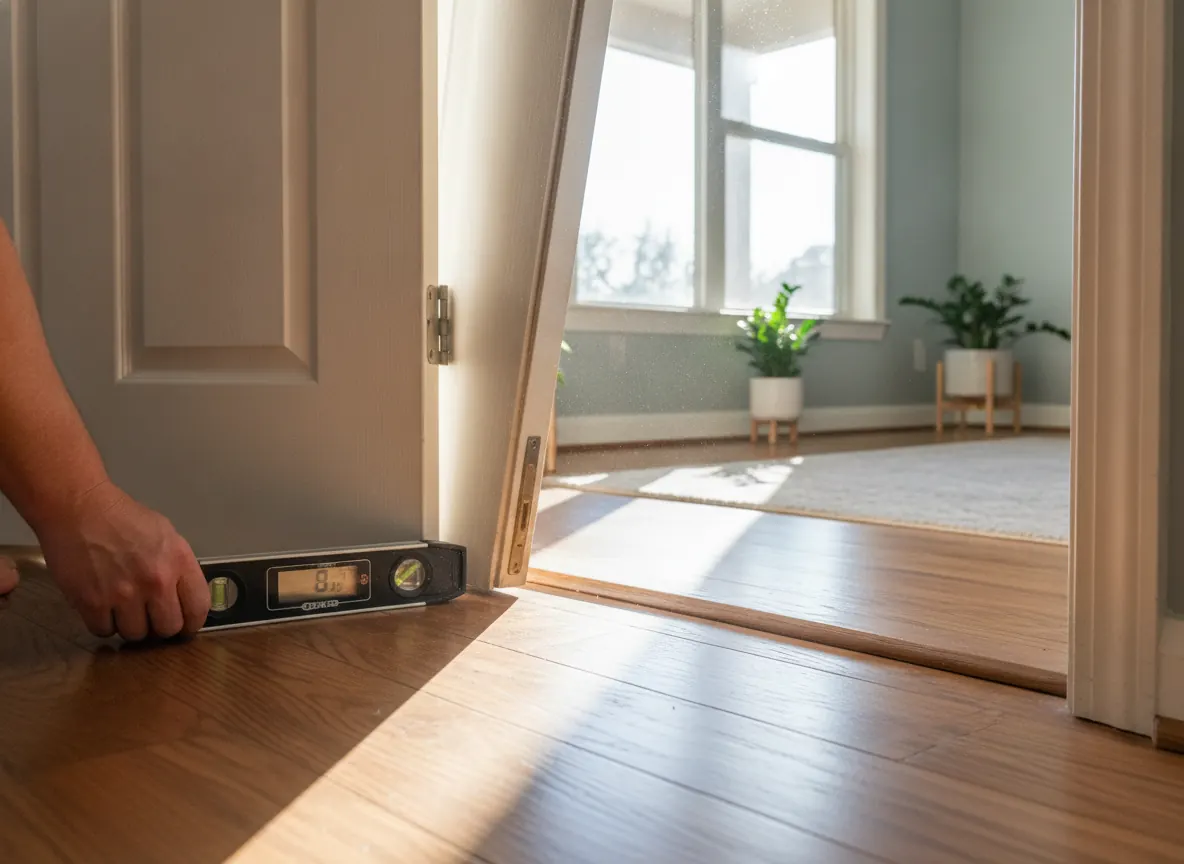
Selling or buying a house in Tyler, TX often brings the foundation into focus. The buyer's inspection report mentions a sloping floor or brick cracks, and someone asks for an "engineer letter." This guide explains who writes these letters in Texas, what they usually cover, what they cost, and how they differ from a home inspection and a repair company's estimate.
This article is general information, not legal advice. Laws and agency rules change; check the cited sources or ask an attorney about your situation.
Home inspection vs engineering evaluation
In a Texas home sale, a TREC-licensed inspector must give a written opinion on how the foundation is performing and list signs like doors that stick, sloping floors, and cracks in walls or brick (22 TAC §535.228). An inspector's opinion isn't an engineering evaluation.
The TREC rule lists the kinds of signs an inspector reports: binding, out-of-square or non-latching doors; framing or frieze board separations; sloping floors; cracks in windows, walls, floors or ceilings; and rotating, buckling or cracking masonry. Inspectors also report drainage, grading and gutter problems around the foundation. They report what is visible. Deciding why the foundation moved, and what repair it needs, is engineering work.
Who writes an engineer letter
An engineer letter comes from a professional engineer (PE). An independent Texas-licensed professional engineer works for you, not the repair company. You can look up a PE's license with the Texas Board of Professional Engineers and Land Surveyors (pels.texas.gov). Before you hire one, check the license number on that lookup and confirm the engineer does residential foundation work.
Letters usually fall into three groups:
- Evaluation letter. An engineer visits the house, looks at the signs, often takes floor-elevation readings, and gives an opinion on whether the foundation is performing as intended and whether repair is recommended. Buyers and sellers commonly order these during a sale.
- Repair plan. A design that specifies the repair: pier type, count, locations and other details. Some repair companies work from an engineer's plan; others propose their own layout.
- Post-repair letter. After the work, an engineer reviews it, often with final elevation readings, and states whether it was done as planned. Many repair companies offer to arrange one. Ask who hires that engineer and whether the engineer saw the house before the work.
Independent or arranged? An engineer you hire directly works for you. An engineer arranged by a repair company may be fully qualified, but you should know who is paying for the letter. If you are buying, an evaluation you order yourself gives you an opinion from someone with no stake in selling the repair.
Is an engineer letter required to sell a house in Texas?
We did not find a Texas law that requires an engineer letter for an ordinary home sale. Letters are usually requested by a buyer, a buyer's agent or another party to the deal after an inspection raises a question. Your contract and your agent are the place to check what your deal needs.
Some Texas cities, many of them in the Dallas area, require an engineer's sealed plan or final letter to permit foundation repair work. Tyler is not one we can confirm either way. Whether your repair needs a City of Tyler building permit or an engineer's plan depends on the work. Your contractor should check with Tyler Building Services (423 W. Ferguson St., 903-531-1151). Outside city limits, Texas counties generally don't issue building permits for home repairs.
What a good letter covers
- The address, the date of the visit and the engineer's name, license number and seal.
- The foundation type (slab or pier and beam) and what was examined, including whether anyone entered the crawl space.
- Whether floor-elevation readings were taken, with the readings or a plot attached.
- The observed signs, such as cracks, door problems and slopes, and where they are.
- An opinion on how the foundation is performing, and a recommendation: monitor, repair, or improve drainage first.
- For a post-repair letter: what was installed, where, and whether it matches the plan.
- The limits of the evaluation, stated plainly.
Engineers in Texas often refer to the Texas Section of the American Society of Civil Engineers' guidelines for evaluating and repairing residential foundations. You can ask which guidance an engineer follows.
What an engineer evaluation costs
| Item | Typical range | Source |
|---|---|---|
| Foundation inspection (engineer) | $300–$1,000 (avg ≈ $600) | This Old House, Oct 2026 |
| Structural engineer report | $300–$2,000 | Fixr, Jan 2026 |
A short visual evaluation sits near the bottom of these ranges. A full report with an elevation survey and a repair plan costs more. Ask for the scope and price before the visit. Repair costs themselves are on our foundation repair cost page.
Why Tyler houses come up in these reports
About half of Tyler's homes were built before 1980 (Census ACS 2020–2024). Older neighborhoods like the Charnwood and Azalea historic districts include many early-1900s homes, some on pier-and-beam. Older houses have had decades of wet and dry years. Much of Tyler and Smith County is mapped in sandy and loamy soils, many over red clay subsoils with moderate shrink-swell potential (USDA NRCS). That mix means poor drainage, erosion and long dry spells can all move a foundation. Tyler got just 25 inches of rain in 2011 and more than 68 inches in 2015 (NOAA). Swings like that can show up as exactly the signs a TREC inspector lists.
Steps if your sale turns up a foundation question
Read the inspection report
Note each foundation sign and where it is. Photograph them.
Order an evaluation
Hire an independent PE, or agree with the other party who will, and who pays.
Get repair quotes if needed
Ask each company for pier type, count and spacing in writing. Our foundation inspection page explains the evaluation step.
Ask about the warranty
Ask whether the warranty is transferable if you sell the home, whether there's a transfer fee, and what it covers.
Keep the paperwork
Keep the evaluation, the repair contract, elevation readings, any permit and the final letter together for the next sale.
If repairs are recommended, our guides to slab foundation repair and pier and beam repair explain what the work involves.
Common questions
Can a home inspector write an engineer letter?
No. A TREC-licensed inspector gives a written opinion on how the foundation is performing from visible signs, but that opinion isn't an engineering evaluation. Engineer letters come from a professional engineer, whose license you can look up at pels.texas.gov.
Does Texas require an engineer letter to sell a house?
We did not find a Texas law requiring one for an ordinary sale. Buyers, agents or other parties often request one after an inspection raises a foundation question. Check your contract and ask your agent.
How much does a foundation engineer letter cost?
This Old House lists engineer foundation inspections at $300–$1,000, averaging about $600, and Fixr lists structural engineer reports at $300–$2,000. Scope drives the price: a visual evaluation costs less than a full report with elevation readings and a repair plan.
Should the repair company's engineer write my letter?
It can be fine, but know who is paying. An independent Texas-licensed engineer you hire yourself works for you, not the repair company. Buyers in particular may want their own evaluation.
Get quotes from local companies
Tyler TX Foundation Experts is a free quote service, not a foundation company, contractor or engineering firm. Describe what you are seeing once, and independent foundation repair companies serving Tyler, Smith County and nearby East Texas towns can reply with quotes. Companies may pay to receive requests, and there is no obligation to hire anyone. Request free quotes, or call (323) 880-1300 to be connected with a local foundation repair company.